Why Keys Snap — and Why the Cylinder Type Matters
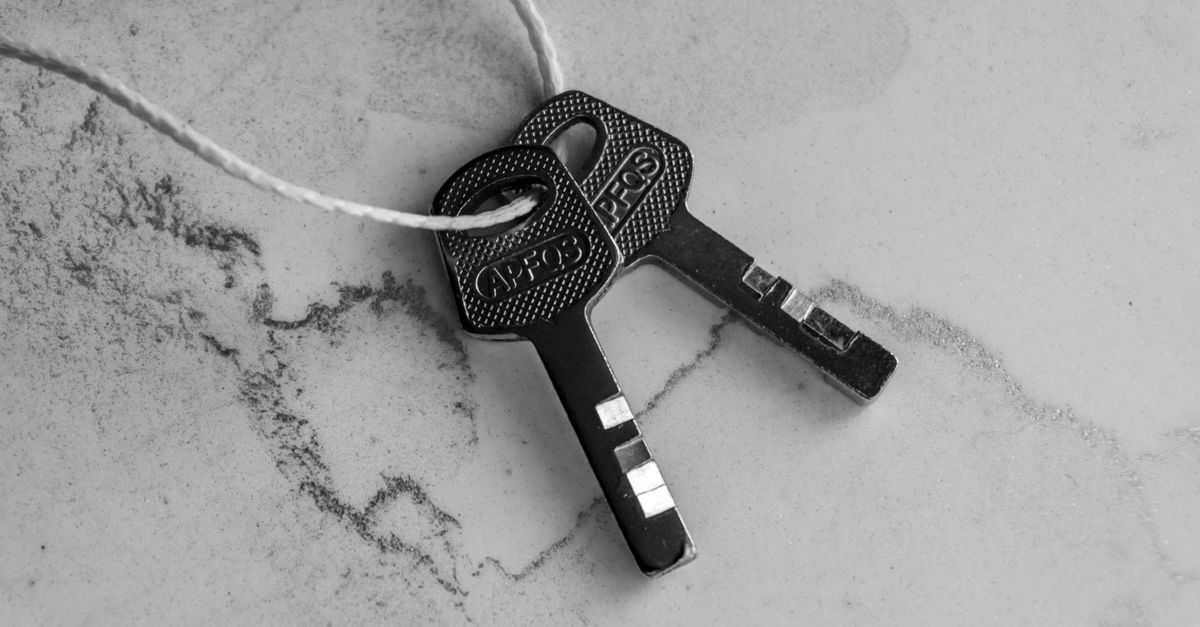
Keys break for a predictable set of reasons: metal fatigue from thousands of repeated uses, a cylinder that has become stiff from dirt or worn internal components forcing the user to apply extra torque, duplicate keys cut from an already-worn original, or simply a key left in a lock that takes a sideways impact. In Riverview's subtropical climate, the humidity and heat cycles can accelerate wear on both the key and the lock itself, especially on exterior doors that face direct afternoon sun along neighborhoods like Boyette Springs or near the Bell Shoals Road corridor. Understanding why the break happened is the first step toward a permanent fix — not just removing the fragment, but also addressing the underlying condition so it doesn't happen again.
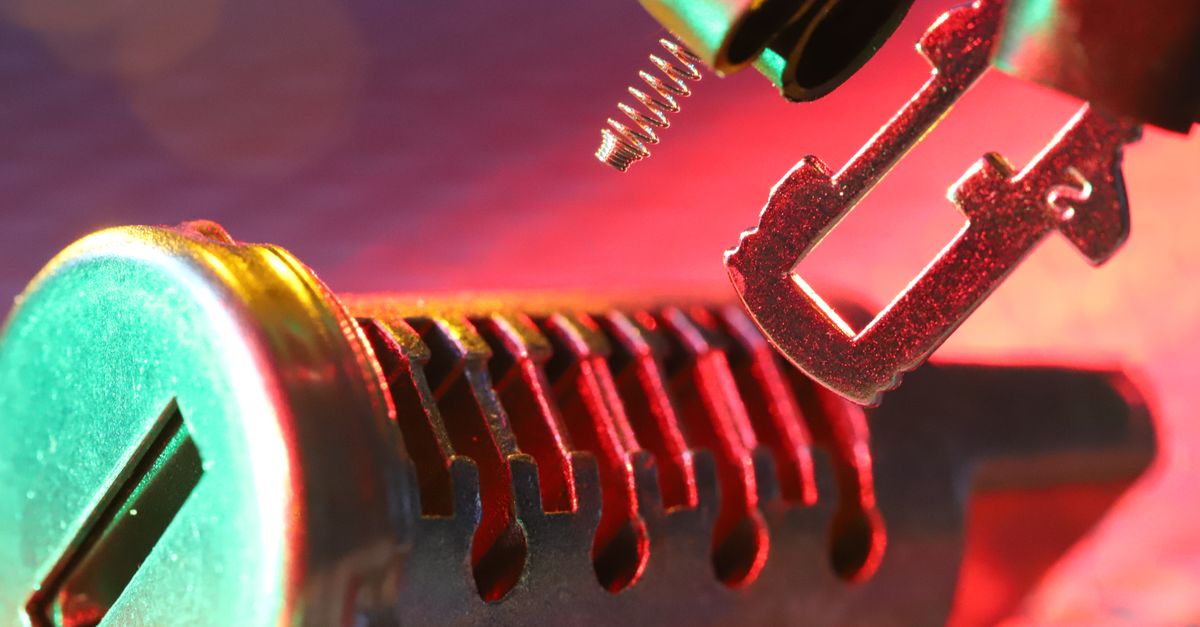
The type of lock the fragment is lodged in determines both the extraction technique and the difficulty of the job. A standard pin-tumbler deadbolt is very different from a mortise lock, which is a recessed, multi-component assembly used widely in commercial and older residential properties throughout the Riverview area. Mortise lock cylinders require removal of the entire lock body in many cases before the fragment can be safely accessed. Door knob locks present their own geometry challenges. Vehicle door cylinders and ignition barrels are even more compact. Our technicians are trained on all of these configurations, which is why we never apply a one-size-fits-all approach to extraction.